
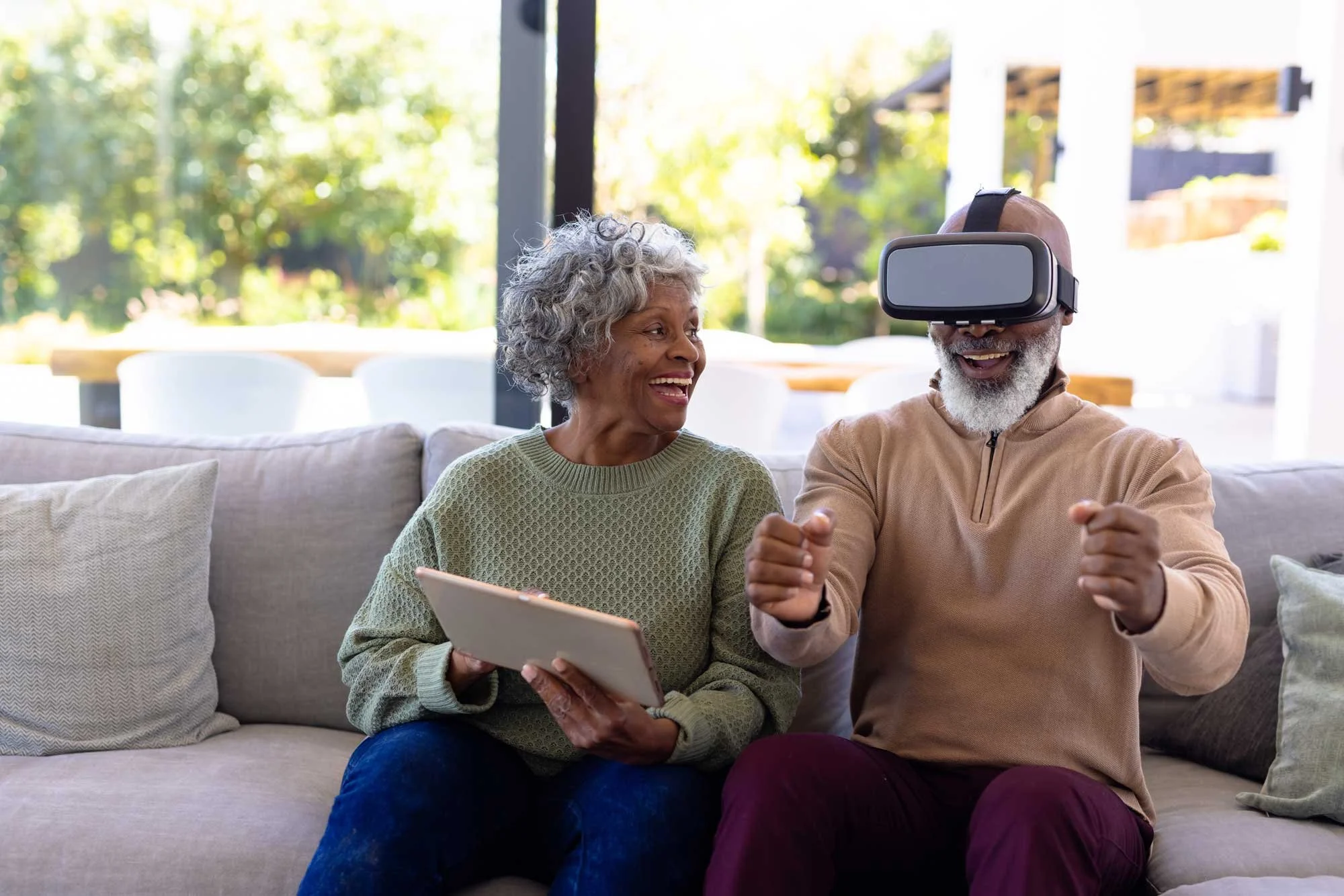
Virtual Reality Provides Emotional And Physical Connections.
VR Encourages Seniors to Stay Involved, Active, and Safe.
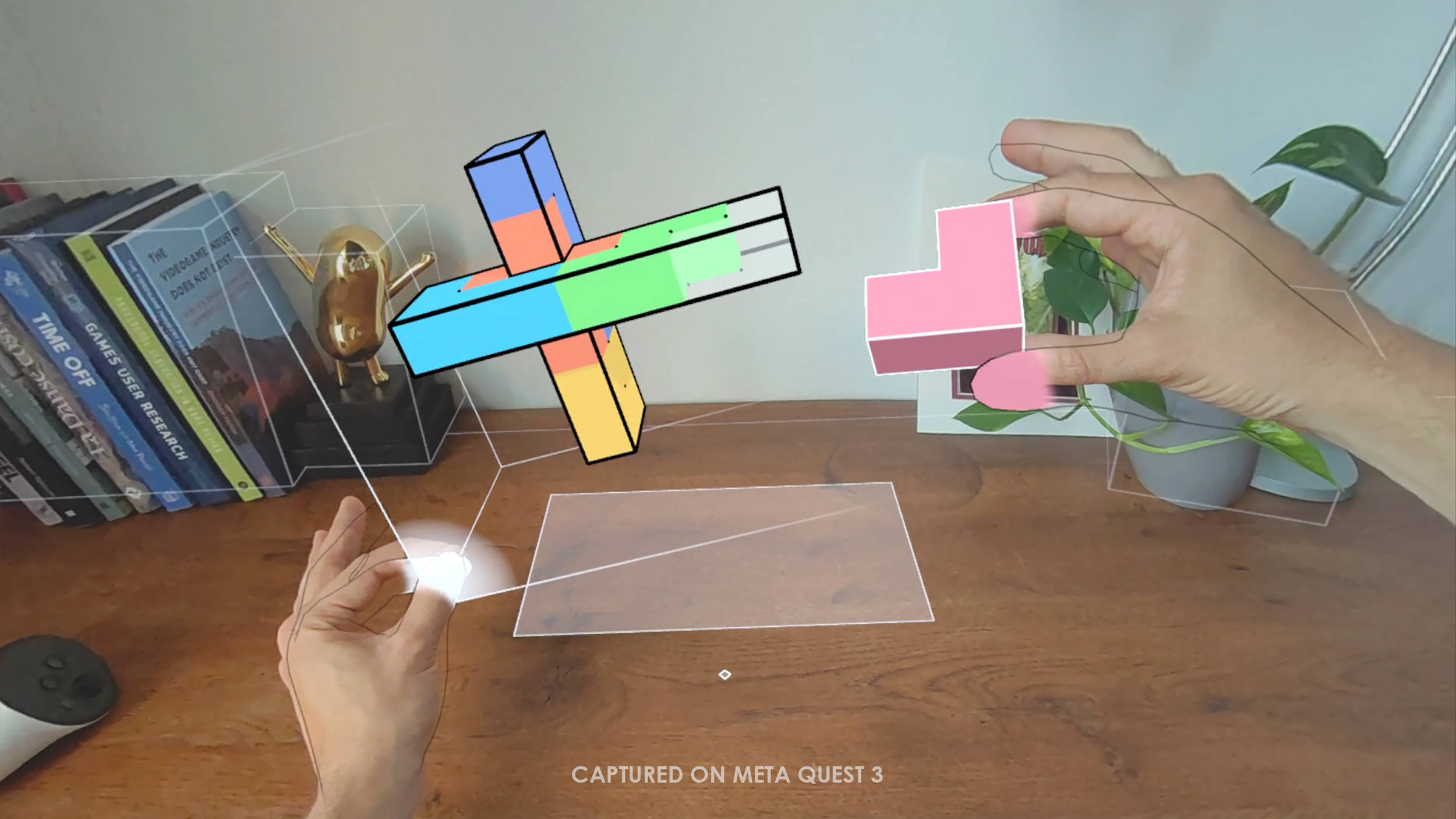
VR Encourages Community Bonds.
Social interaction is crucial for mental health. Loneliness and social isolation are linked to a 50% increased risk of dementia and a 29% increased risk of heart disease, making emotional connections through VR a vital component of senior care.

VR Provides Secure and Safe Exploration.
VR provides a safe environment for seniors to engage in a variety of experiences without the physical risks associated with travel or outdoor activities, allowing for a secure exploration of new experiences.

VR Promotes Activity and Exercise.
Virtual reality turns movement and exercise into fun, interactive experiences. Seniors can stay active, improve coordination, and maintain mobility through safe, engaging activities.

VR Improves Cognitive Health.
Engaging in cognitive activities such as puzzles and memory games can enhance memory recall and slow cognitive decline, providing a six to nine-month delay in the progression of symptoms for those with dementia.
